Every plumber eventually learns that the job changes shape when you step from a three-bath home into a multistory office tower or a restaurant with a grease trap. The fittings get larger, the codes tighten, timelines compress, and access gets tricky. Tools follow the same pattern. You can get through a lot of residential plumbing with a compact rolling kit and a few power tools. Commercial work demands heavier equipment, more measuring and recording, and sometimes a crew just to move gear safely. Choosing the right tools is less about prestige and more about workflow, safety, and the margins on a job.
This guide draws on field experience rather than catalogs. Expect trade-offs, ranges, and examples pulled from real work where space is tight, drains run long, and clients want water back on yesterday.
The scale problem: what changes from house to facility
Scale is the obvious divider, but it shows up in unexpected ways. Pipe diameters increase, yes, but so does the length of runs and the complexity of routing. In a residential crawl space, you might wrestle with obstructions and low clearance. In a hospital, you deal with redundancy, isolation valves, and contamination control. Tools that feel optional in homes become mandatory in commercial settings because access windows are shorter and risk is higher.
Materials shift too. Residential plumbing still sees a lot of copper, PEX, PVC, and ABS. Commercial jobs add cast iron, stainless, ductile iron, CPVC for fire protection, and specialty materials like polypropylene in labs. That affects what you bring for cutting, joining, and testing. For example, a small PVC ratcheting cutter that breezes through 1 inch pipe will stall on 2 inch schedule 80, and you will regret not packing a fine-tooth saw or an abrasive wheel.
Codes and documentation add another layer. Large buildings often require written test results, photo evidence of repairs, and certified procedures for pressure testing or backflow prevention. That changes your measuring tools and even how you plan storage for test plugs and gauges.
Hand tools that earn their keep
Any plumber, regardless of project type, needs a base set that feels like an extension of the hands. The difference is what they’re rated for and how robust they are. On residential jobs, a couple of adjustable wrenches, a pair of channel-lock style pliers, a pipe wrench, a tube cutter, a hacksaw, and a basin wrench will carry you a long way. For commercial work, the same tools need to be a size up, and sometimes two.
Take pipe wrenches. A 10 inch and a 14 inch pair handles most residential threaded fittings. In a warehouse with 2.5 inch lines, you will want 18 inch and 24 inch wrenches at minimum, and often a 36 inch on standby. That choice affects your day more than you think, because larger wrenches bring leverage but also fatigue. If you work overhead on a mezzanine catwalk, a 24 inch aluminum wrench saves your shoulders and meets the torque requirement for large unions. Spend the extra on aluminum if you carry it all day.
Pliers follow the same logic. Water pump pliers in 7 to 10 inch sizes feel nimble under a sink. In a plant room, go for a 12 to 16 inch pair with a narrow jaw profile that still nests in tight spots between flanges and insulation. Smooth-jaw pliers protect plated fittings in residential bathrooms where the homeowner will notice every scratch. Serrated jaws grip galvanized and cast iron without slipping, so they dominate in commercial.
Cutting tools merit a pause. For copper in homes, a compact tubing cutter with a fold-out reamer works fine. In commercial settings, copper often runs larger, so bring a cutter rated to at least 2 inches, and keep spare cutting wheels in your pocket. For PVC and CPVC, ratcheting cutters are faster than a saw through 1.5 inch pipe, but beyond that, a miter saw with a fine plastic blade or a cordless band saw gives a cleaner, squareer cut and reduces burrs that can compromise solvent welds. The band saw also handles threaded rod and Unistrut, which shows up everywhere on commercial jobs.
Threading tools sit at the boundary. In houses, you may thread occasionally for a gas stub or a repair on old galvanized lines. In commercial projects, threading is routine for sprinkler piping, gas service, and long runs of black iron. That means a powered threader rather than a handheld die set. A cart-mounted machine with self-oiling dies and a foot switch pays for itself if you thread more than a few joints per week. Keep dies sharp and clean, and don’t skimp on cutting oil. Poor threads are a leak factory.
Measuring, marking, and the discipline of layout
Good plumbers measure the job before the job measures them. Residential projects tolerate a bit more improvisation; you can shift a vanity half an inch if a line is off. Mechanical rooms and risers are not so forgiving. The tools reflect that.
A compact tape measure is universal, but in commercial work a 35 foot tape with a standout of 10 feet saves frustration when you’re tracking overhead runs alone. For long-distance alignment, laser levels, point lasers, and rotary lasers enforce straightness. In homes, a simple torpedo level and a plumb bob will get you square tubs and stacked shower valves. In multi-bath hotels, lasers make it possible to set thirty identical rough-ins so that trim later lands flush without shim games.
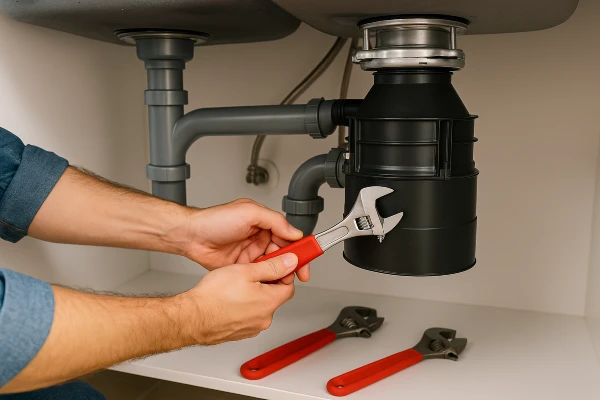
Marking tools matter more than they get credit for. Removable paint markers for concrete and steel, lumber crayons for damp surfaces, and fine-tip permanent markers for valves and tags reduce errors when the space fills with trades. In commercial work, label your assemblies the moment you build them. A laminated tag on a valve rack with line number and service avoids mystery isolation hunts months later.
Pressure testing belongs with measurement because it produces a number you have to trust. Residential tests often run at 50 to 100 psi for water lines using a simple hand pump and a gauge. Commercial jobs might require staged tests at multiple pressures, air tests for gas with a digital manometer down to 0.1 inch of water column, or extended hold tests over hours. Invest in gauges with calibration certificates if the spec calls for it, and keep them protected in foam. A gauge that has been dropped gives you false peace. For large diameter pipe, inflatable plugs with through-hoses allow sectional testing without draining massive runs every time.
Cutting, boring, and the realities of access
Access shapes tool selection more than pipe size does. In residential remodels, you cut holes through studs and joists with a right-angle drill and hole saws or auger bits. With patience and a good bit, even dense engineered lumber yields. In commercial construction, you’re drilling concrete, block, and steel. That changes the motor, the bit, and the handles.
A rotary hammer with SDS Plus bits covers anchors and small penetrations. For core drilling through slabs and walls for 2 to 6 inch pipes, step up to a core rig with a water feed and a vacuum base. That’s not an occasional tool on a lot of commercial sites; it’s weekly work. Use proper shrouds and water capture to keep slurry off finished surfaces, and bring a wet vac rated for fine dust so you don’t ruin it in one day. Firestop sleeves and lab seals add a documentation step; take photos with a timestamp and keep the manufacturer’s spec sheet handy.
In tight ceiling spaces, a right-angle drill head becomes your best friend. Residential plumbers often make do with a short drill. In a dense T-bar ceiling, a compact right-angle drill with self-feed bits lets you punch through wood blocking without tearing down tiles. Cordless has mostly taken over here, but in commercial cores where you need consistent power for big holes, corded tools still show up. Keep both if you can.
For cutting metal, a cordless band saw beats a grinder nine times out of ten. It throws fewer sparks, makes a cleaner cut on threaded rod and unistrut, and keeps inspectors happier when you’re in an occupied building. Save the grinder for deburring and occasional cuts on stainless or heavy angle iron. Safety glasses and cut-resistant gloves are not optional. Stainless sheet metal in mechanical rooms will cut your hand before you realize it, and you don’t want blood on a freshly insulated line set.
Joining methods: solder, press, solvent, and fusion
Most plumbers start on solder and solvent welding. Those skills still matter, but job mix and speed requirements drive different choices.
In residential copper, soldering remains common because access is decent and cost matters. That said, press systems have moved in strongly, especially for repairs. A press tool with jaws for copper and stainless lets you make watertight connections quickly without a torch, a big advantage in finished spaces with smoke detectors waiting to trip. The press tool becomes more valuable as the pipe size grows. In commercial work you’ll see press widely on domestic water and sometimes heating water, particularly in hospitals where flames are restricted. Keep an eye on O-ring material and temperature ratings. Don’t mix EPDM meant for water with lines that carry glycol at high temps.
For steel, you’ll still thread or groove. Grooved systems dominate in many commercial installations because they assemble quickly and are easy to maintain. That means a roll groover and appropriate couplings. The groover must be set up carefully, and the pipe ends must be square and deburred. A warped groove invites leaks. On high flows or seismic zones, follow the coupling manufacturer’s torque specs to the letter and use a torque wrench rather than guessing. For threaded joints, power threading speeds the day, but thread seal choices matter. Some jurisdictions dislike certain pastes on gas; tape versus dope becomes a spec item. Keep both and label your cans so they don’t wander.
Solvent welding for PVC and CPVC splits along temperature and https://theleanderplumber-company.com chemical lines. Residential drain, waste, and vent is mostly PVC with purple primer and clear cement. In commercial, you’ll see CPVC for hot water or fire protection. CPVC demands its own cement, and the cure times stretch when the building is cold. Don’t rush the set. A joint may hold at first, then seep under pressure. When the schedule is tight, clamp a few mock joints and time a proper cure while you set hangers. That beats chasing leaks later.
PP systems and HDPE fusion show up in labs and chemical drainage. Those require fusion irons or electrofusion equipment. If you use them only occasionally, rent the gear and budget time to practice on scrap before the inspector arrives. Fusion joints are strong but unforgiving of surface contamination. A stray hair or a dust film on the fusion surface can ruin a joint you cannot see until it fails a test.
Drain cleaning and inspection: where technology pays for itself
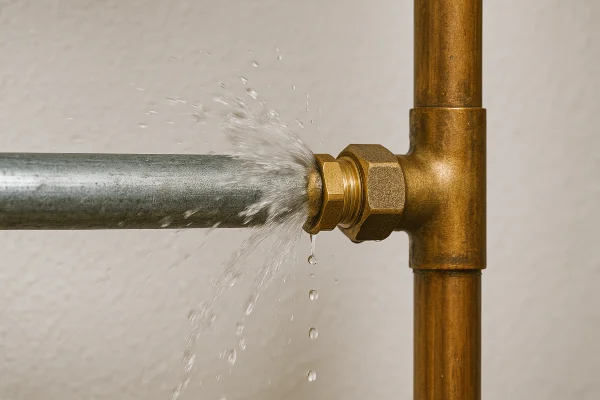
In houses, a medium-length drum machine and a small handheld auger handle most clogs. Add a compact camera for problem lines, and you’re set. Commercial drains are longer, often have multiple bends, and may contain grease, rags, and construction debris. You will want a sectional drain machine for power and maneuverability, jetting capability when grease is heavy, and a camera with a transmitter so you can locate the head under concrete.
A reliable locator makes a difference. In a restaurant kitchen, finding the exact spot to open a floor is worth more than the machine that pushed the cable. Depth readings guide you past surprises like post-tension cables or embedded conduit. In a high-rise, where the drain lines snake behind walls and through chases, camera heads with auto-leveling pay off with clear orientation. Keep lens windows clean, and carry spare batteries and memory cards. If the building manager wants a record, hand it over on the spot and move on.
Jetters split by scale. A portable electric unit at 1,500 to 2,000 psi helps in residential work. Commercial kitchens often need trailer or skid units in the 4,000 psi range with proper nozzles. You must manage backsplash and containment. Grease ejects violently, and you don’t want it on customers or servers. Work after hours, use splash guards on floor drains, and put up signs so people don’t walk through effluent.
Safety and protection gear that avoids downtime
Everyone talks about PPE, but the mix differs by job. In residential work, safety glasses, hearing protection, and gloves cover most tasks. In commercial spaces, add hard hats, high-visibility vests, steel-toe boots, and fall protection if you’re on ladders or lifts beyond basic heights. A harness and lanyard only help if you know how to anchor them. Get the anchor points approved, especially in rented lifts.
Respiratory protection becomes a frequent need. Core drilling concrete produces silica dust. Cutting cast iron with an abrasive wheel fills the air with particles that hang around. N95 masks help, but half-face respirators with P100 filters are healthier for longer sessions. Pair that with a dust extraction vacuum rated for fine dust with proper filters so you don’t blow the problem to the next room.
Lockout/tagout tools and procedures matter on commercial sites. Valves are often mislabelled, and lines feed multiple zones. Before you cut a pipe, verify it is isolated, depressurized, and drained. Use a pressure gauge on a test tee, not just your gut. Tag valves, take photos, and communicate with facilities. A water hammer from an unexpected pump starting can knock a tool out of your hands and send water where you don’t want it.
Storage, mobility, and the battle against lost time
The best tools help only if you can get them to the work and keep them organized. Residential service trucks can run with a well-organized van, modular boxes, and a few bins for fittings. Commercial projects often require material carts, gang boxes, and dedicated rolling kits for press tools, threading, and testing.
Elevators and site rules change the logistics. If a building limits elevator use during certain hours, preload carts with everything you need for the window, including consumables like flux, tape, solvent, brushes, and O-rings. Label cases clearly. Press jaws for 1.5 inch and 2 inch look similar in a hurry, and swapping them mid-ceiling costs time and patience. Consider color coding by diameter with vinyl wraps.
Batteries deserve a plan. Cordless tools have transformed plumbing projects, but dead batteries at the wrong moment are expensive. On commercial work, keep a charging station on a gang box with a power strip and a sign-out system so batteries return. Standardize on a platform when possible so you can share packs across tools. In winter, keep batteries warm. Cold lithium drops fast under load, and a cold day on a roof will drain a freshly charged pack in minutes.
Code, documentation, and the inspector’s handshake
Residential inspections rely on visible work, pressure tests, and general workmanship. Commercial inspections add specialized checks: backflow preventer certifications, medical gas brazing qualifications, firestop assemblies, seismic bracing, and flushing procedures. Your tools have to support the paperwork.
Carry a calibrated digital manometer for gas work and a printer or a smartphone app that can capture a pressure chart during a hold test if the spec allows electronic records. Use a camera to document before you close up walls. If you install a backflow preventer, plan for the test kit and the time to verify function. A clean set of hoses, a case that keeps them coiled without kinks, and a small spray bottle of sanitizer will keep your kit working and inspectors confident. Grease and grit in a test hose can mess up readings and irritate a tester who sees ten devices a day.
On firestop, use the exact sealant, putty, and sleeve configuration listed in the assembly you submit. Keep the detail printout in your bag and take a photo of the label next to the finished penetration. It takes one minute and saves an argument later when someone asks what product you used.
Residential core kit versus commercial core kit
It helps to think in terms of two cores. Many plumbers blend them as their work shifts, but each set has a logic.
Residential plumbing tools lean toward compact, versatile, and finish-friendly. You need to protect surfaces and work quietly. A small press tool shines for repairs. A light camera, a compact drum machine, and right-angle drill heads keep you nimble. A simple hand pump for pressure testing, a few test gauges, and plug sets cover most cases. Consumables include solder, flux, PEX crimp rings, push-to-connect fittings for emergencies, and various escutcheons that keep homeowners happy.
Commercial plumbing tools grow in size and specialization. Threaders, groovers, larger press tools with 2 to 4 inch jaws, core rigs, heavier wrenches, and advanced test equipment form the backbone. You’ll also add rigging gear like chain falls, straps, and beam clamps to move pumps and valves. Labelers, engraving pens, and valve tags become part of daily work. Consumables include seismic bracing components, firestop materials, repair clamps in larger diameters, and gaskets for flanges.
Where to spend and where to save
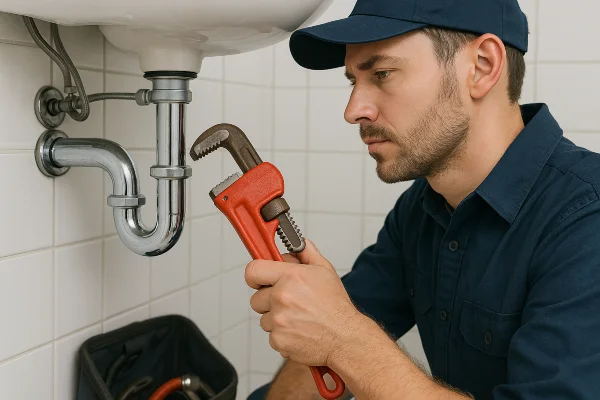
Experience teaches that some tools pay for themselves quickly, while others can be rented or bought used without regret. Spend on anything that delivers a guaranteed seal without rework. Press tools, quality jaws, and calibrated testing gear fall here. A leak inside a finished ceiling over a law office on Monday morning will cost more than the price difference between a premium jaw and a bargain.
Cutting and drilling tools merit mid to high investment. A core rig that stays true and clamps securely is worth the money. Cheap rigs wander and chew up sleeves. For saws and drills, choose reliability and battery ecosystem if you go cordless. You save more by sharing batteries across tools than by chasing sales across brands.
Save on specialty gear you use once a quarter. Rent a large jetter, an electrofusion unit, or a roll groover if your volume does not justify ownership. Budget rental time into your bid and schedule so you are not paying for idle days. For hand tools, used is often fine if the jaws are crisp and the bodies straight. Check pipe wrenches for play in the jaw. If the heel tooth lands poorly, you will slip on stubborn fittings and bruise your knuckles.
Training, certification, and the skill behind the tool
Tools operate best in trained hands. Press systems require knowledge of jaw selection, O-ring lubrication, and inspection. Threading depends on cutting speed, oil flow, and die maintenance. Fusion demands surface preparation and timing. In residential work, on-the-job training often covers most needs. In commercial environments, you may need certs for medical gas brazing, backflow testing, and certain brand-specific systems. Build that into your staffing plan. A missing certification can delay a job even if you have every tool.
Practice under low stakes. Before a big switch-over, mock up the assembly on sawhorses and run through the press sequence or groove setup. Pressure test the mock. Record any issues and adjust. That small time investment saves a nighttime change-out from turning into a 3 a.m. water hunt with building security.
Case notes from the field
At a mid-rise apartment project, we had thirty identical water heater closets. The first two took half a day each as we learned the space. By the third, we had a repeatable kit: a laser to set riser centerlines, a press tool staged with 1 inch and 3/4 inch jaws, pre-cut Unistrut, and a cordless band saw for final trimming. We also taped a simple checklist inside the closet door, so if a hanger or isolation valve was missing, we’d spot it before leaving. The time per closet dropped under two hours. Tools alone didn’t do it; the sequence did, but the right tools made the sequence possible.
On a hospital retrofit, hot work was restricted. Torches set off smoke heads even with permits, and the nursing staff lived on the other side of the wall. The press tool was non-negotiable, and we added fire blankets and temporary smoke detector covers approved by the facility. We also carried a calibrated thermometer to verify pipe temperatures before pressing, because chilled copper with condensation can compromise seals. Without that extra step, a few joints might have looked fine and we would have chased minor drips for days.
For a restaurant drain remodel, a camera with a sonde and a locator saved us from breaking the wrong slab panel. The blueprint showed one route. The actual line jogged around an old footing. We marked the head position on the tile, cut a tight square, and were pouring back the next day. The manager cared less about our fancy tools than the fact that lunch service stayed on schedule. That is the real job of good tools: they protect the client’s operation.
Putting it all together for your mix of work
Most plumbers don’t live at either extreme. You might rough a home on Monday and troubleshoot a shopping center on Friday. Build your kit in layers so you can scale up or down without hauling the entire shop everywhere.
Start with a solid residential core: reliable hand tools, a compact press tool if budget allows, a small drain machine, a quality right-angle drill, and a pressure test setup. Add comfort tools that prevent fatigue, like aluminum wrenches and well-balanced pliers. These will earn money every day.
Then add commercial layers that align with your job types. If you see large domestic water frequently, invest in larger press jaws and a roll groover. If you service restaurants, put money into jetting and camera gear. If you handle gas or hydronic systems, a calibrated manometer and a thermal imaging camera help find air pockets and temperature anomalies that cause callbacks.
What you bring to the job is not just a pile of commercial plumbing tools or residential plumbing tools. It’s a strategy for doing clean work under real constraints. The right tools make that strategy possible, but they don’t replace judgment. A plumber who knows when to switch from solder to press, when to rent a core rig instead of forcing a hole with a hammer drill, and when to label a valve for the next person, will finish jobs faster and get called back for the right reasons.
A short cross-check before you roll
- Confirm material mix and sizes from the spec or site walk, then match your cutters, jaws, dies, and cements. Stage testing gear with calibrated gauges or a verified manometer, plus plugs sized for the largest line you’ll isolate. Plan access: lifts, ladders, core drills, and right-angle gear for tight decks. Book rentals early. Prep documentation tools: camera, labels, tags, and any required certification paperwork. Charge and label batteries, and set up a charging station or plan for swap cycles if elevator access is limited.
The best kit is the one that lets you work safely, document clearly, and finish with dry joints and quiet drains. Whether you’re sweating a half-inch elbow under a kitchen sink or grooving 4 inch mains in a riser, the principles are the same. Respect the scale, match the tool to the task, and keep your focus on the water and waste moving exactly where they should.
THE LEANDER PLUMBER - COMPANY 1789 S Bagdad Rd #103, Leander, TX 78641 (737) 530-8021