Walk onto any jobsite with a seasoned plumber and you will see a compact, curated set of tools that reflect hard lessons and repeat problems. The kit varies a little with region, code requirements, and personal habit, yet the core stays the same. Some tools save minutes, others save backs, and a few prevent disasters you only need to witness once to respect. This is a tour through the most common plumbing tools, along with why they earn their place, where each shines, and how to pick versions that last.
The humble tape and the truth about straight lines
It sounds simple, but an accurate tape measure is one of the most used pieces in a plumber’s bag. Piping layouts live and die on centerlines, fall, and clearances. Measure a shower valve wrong by half an inch and you will fight trim and tile for the rest of the job. For rough-in, a 25 foot tape with a standout of at least 8 feet keeps one hand free while you mark. Tough coating on the blade matters when you are threading through studs and metal edges all day. I prefer tapes with clear dual markings in inches and fractions to limit brain math when you are upside down in a crawlspace.
A torpedo level rides shotgun with the tape. For drainage, pitch is not a guess. Most codes call for a quarter inch per foot fall on small diameter waste lines. A torpedo with rare earth magnets sticks to vent stacks and cast iron, and a bright vial helps in dark chases. Some plumbers carry a digital level for long runs and proof shots, but a good torpedo handles 90 percent of checks. The level also calls out sloppy hangers before vibration and thermal movement do.
Marking, cutting, and the ergonomics of repetition
Marking pencils and paint sticks are cheap, yet they reduce rework by a shocking amount. A plumber’s pencil with a sharpener, a silver paint marker for black pipe, and a fine-tip permanent marker for plastic covers everything from layout to labeling zones on a manifold. Labeling saves return trips. A marked line that reads “Softener bypass” is worth the extra five seconds.
Cutting tools separate pros from frustration. Tube cutters are the workhorses for copper and PEX-al with press sleeves. A compact cutter allows spins in tight joist bays, and a swing radius of under two inches lets you work where the architect forgot your arms exist. For copper, a two-wheel cutter with a reamer keeps burrs inside the tool so you do not need to fish around with a separate deburrer in every case. If you cut copper and skip deburring, you will shred o-rings in push fittings or create turbulence that hums and erodes.
For plastic, a ratcheting PVC cutter is faster than a saw for pipe up to 1.5 inches, but you must maintain the blades. Dull blades crush instead of slice, which causes out-of-round bells and weak glue joints. Beyond that diameter, a fine-tooth pull saw or miter saw with the right blade is cleaner and safer. On demolition, a recip saw with a bi-metal blade is the reality tool. Keep separate blades: dedicated ones for copper or cast, others for wood with nails. Mixing them is how you end up smoking blades and making ragged cuts.
Wrenches that grip and the finesse they demand
Ask any plumber what lives in their hands and you will hear the names of wrenches. Pipe wrenches bite round stock through leverage and tooth geometry. A 14 inch and a 24 inch pair covers most galvanized and black iron work, with an 18 inch as a flexible middle choice. More help Aluminum versions cut weight if you carry them all day. Teeth dull fast on dirty pipe, so scrub the jaws now and then; slipping is both dangerous and expensive when you twist a fitting out of alignment.
Tongue-and-groove pliers, often called channel locks, handle everything from compression nuts to stubborn cleanout plugs. Two sizes, about 10 inch and 12 inch, offer range and control. I keep a second pair with soft jaw covers for plated finishes so the escutcheons and trim stay presentable. For sink supplies, a basin wrench earns its odd shape the first time you use it. It reaches where hands cannot, behind sinks and into narrow wells. Look for a head that flips to tighten or loosen without pulling it out each turn.
Throw in an adjustable wrench, wide jaw if possible, for stop valves and shower nuts. The temptation to use one wrench for every task is strong, but adjustable wrenches damage flats when used on stubborn fasteners. If you only own one, you will overuse it. Nut drivers and compact socket sets fill the gap for fastener-heavy fixtures like garbage disposals and gas valves.
Sealing the joint: tapes, dopes, and judgment
No single thread sealant suits all materials. On tapered pipe threads, a good quality PTFE tape, wrapped clockwise three to four turns, provides a reliable base. You can pair tape with a paste dope on larger threads, especially where vibration or temperature swings are common. For fuel gas, use a sealant explicitly rated for gas service. That rating matters; standard tape can shred or cold-flow under pressure. On straight threads, such as faucet supplies with rubber washers, thread sealant is not only useless, it can prevent proper compression. Knowing when not to use it is part of the craft.
On PVC and CPVC, solvent cement chemically welds the joint. Purple primer telegraphs compliance and cleans the surface. Some jurisdictions require it, others allow clear primer. I prefer purple on pressure lines to remove doubt in inspections and to remind apprentices that skipping primer on cold mornings leads to callbacks. Set times change with temperature. In winter, plan your sequence so joints can cure undisturbed. If you glue in subfreezing weather, a joint that looks solid at five minutes can pop at twenty.
Torches, heat, and the art of sweat solder
Sweating copper is both skill and discipline. A compact torch with a focused flame saves walls and reduces scorch marks. Many plumbers carry MAP-pro fuel because it burns hotter than propane and speeds heat on larger fittings. The flip side is risk. Hotter flame, narrower safety margin. I keep both and choose based on site conditions. For medical or high purity lines, heat control matters even more.
Flux must be fresh and applied sparingly. Too much flux drips into the line, collects debris, and can cause green staining downstream. Lead-free solder is standard. Heat the fitting, not the solder, and feed until a fine bead appears around the whole joint. If solder runs in one spot and refuses elsewhere, your heat is uneven or the pipe was not clean. Cleanliness is the secret: emery cloth, a fitting brush, and patience. Add heat shields when near framing or finishes. A singed stud is not just ugly, it announces carelessness.
Press tools and push-to-connect: speed with caveats
Press technology has shifted the trade in the last decade. Battery-powered press tools with jaw sets cover copper, stainless, and PEX-al. The big gain is speed and consistent results in tight spaces where an open flame is unsafe. On a retrofit near insulation or where water dribbles and refuses to stop, press wins the day. The cost is in the jaws and fittings, which are pricier than sweat. You also rely on battery health and calibration. Nothing ruins a day like a press tool that falls out of certification right before an inspection. A competent plumbing company keeps a maintenance log for every press tool, with jaw cycle counts and test crimps.
Push-to-connect fittings have their place. They rescue emergencies, perform as temporary caps for pressure tests, and speed meter sets. They depend on clean, round pipe and proper insertion depth. I have seen them installed on pipe with a slight dent from a tube cutter, and the o-ring never had a chance. Use the proper deburring and depth tool every time. In concealed spaces behind finishes, most pros prefer permanent methods such as press or sweat, unless local code says otherwise. Good trade practice pairs convenience with risk awareness.
PEX expansion and crimp systems
PEX is not a single method. Expansion, crimp, and clamp systems each have advocates. Expansion tools stretch the pipe and recover around an insert fitting. The process rewards precise timing and works best in warmer temperatures. In a cold house during winter, keep the fittings and pipe warm to avoid slow recovery and loose joints. Crimp systems with copper rings and a go/no-go gauge are straightforward and forgiving. The key is uniform ring placement and verification. I do not let apprentices skip the gauge check, even though a seasoned hand can feel a good crimp.
Tool choice also depends on scale. For a whole-home manifold system, PEX with homeruns reduces fittings behind walls and eases future service. For tight drops to a wall-hung lav, copper or PEX-aluminum-PEX holds shape and resists kinking. A plumber balances material cost, tool readiness, and the homeowner’s tolerance for visible fittings.
Drains, drives, and the fight against clogs
Every plumber owns a hand auger, sometimes called a drum snake. It is the quickest cure for hair-choked traps and minor sink stoppages. For longer runs, a medium drain machine with 3/8 or 1/2 inch cable clears kitchen lines and main branches. The cable choice matters. Thin cables snake through tight bends but kink on heavy obstructions. Thick cables hit harder but can scar pipe if mishandled. Work gloves, eye protection, and GFCI-protected outlets are non-negotiable. I have seen cables whip with enough force to break knuckles.
Toilet augers deserve respect. A proper 6 foot model reaches past the trapway and into the floor bend, which is where toys and brushes lodge. Coat the bulb head with a dab of grease to prevent porcelain scratches. If you pull out a plastic wipe rope or a compacted wad of paper towels, explain to the homeowner why “flushable” labels do not match reality. A good plumbing company pairs clearing with education. It saves everyone money and embarrassment.
Hydro-jetting is a separate tier, used by many service outfits for grease-packed restaurants or root-invaded lines. It requires training and backflow awareness. Raw power without understanding can flood basements fast. For residential work, a compact electric jetter has its place on cleanouts accessible from outdoors. Indoors, I prefer mechanical methods unless the job calls for water power.
Detection, testing, and the difference between dry guesses and proof
A hand pump for pressure testing is inexpensive and invaluable. Whether you test a small boiler loop or a segment of new copper, being able to pump and hold a set pressure provides confidence. Pair this with a reliable gauge. Cheap gauges lie, especially if they have been dropped. I keep one protected and one sacrificial gauge, and I compare them monthly. If they disagree by more than a few PSI, I retire the questionable one.
Electronic leak detectors for gas sniff out tiny leaks, faster than bubble solution alone. I still use the bubble test for confirmation. Watch for the slow-growing film that shows a pinhole leak at a thread root. For water leaks behind walls, acoustic detectors and thermal cameras help, but judgment matters. A cool stripe on drywall might be a draft, not a leak. Drill a pilot hole and sniff for moisture before cutting a big opening. Tools narrow the search; experienced ears close the gap.
Saws, drilling, and getting through the structure without making enemies
Hole saws and spade bits are daily tools. Bi-metal hole saws chew through nails and old screws hidden in studs. Use pilot bits that align and hold center; nothing is more irritating than a hole saw that walks on tile or shiplap. For joists, do not oversize. The temptation to give yourself “room to work” can become structural damage. Follow boring and notching rules: distance from edges, limits on hole size relative to depth. When in doubt, consult span tables or an engineer. A plumber who respects structure gets invited back by builders.
Right-angle drills save backs in tight bays. Use a clutch when driving large self-feeders through LVL or dense stock. If the bit binds and the drill lacks a clutch, your shoulder pays the price. Keep an assortment of self-feeding augers, ship augers, and forstners. Each has a sweet spot. Self-feeders are fast, ship augers clear chips on deep runs, forstners leave clean holes in cabinets and visible finishes.
Safety gear that actually gets worn
Hard hats and gloves are not glamorous, but burns and cuts are stubborn teachers. I favor snug gloves for cutting and threading tasks, and heat-resistant gloves when torch work runs back-to-back. Safety glasses with anti-fog coating matter in winter when you go from attic chill to indoor humidity. For drain cleaning, face shields keep splash away. A quality respirator with P100 filters is essential when you cut old cast iron or grind. Silica dust lingers in lungs longer than anyone likes to think about. Knee pads are another quiet hero. One week crawling a slab track without them and you will understand.
Specialty tools that earn their bag space
An inside pipe cutter makes clean work of PVC stubs too short for a normal cutter. It mounts on a drill and trims from within the hub, saving the need to open walls or cut studs. A faucet seat wrench saves hours on old stem valves where the seat has eroded and thinned washers cannot seal. Without it, you risk stripping the seat or the body. For showers with cartridge valves, carry the maker’s dedicated puller. Improvised grips break ears off cartridges, turning a one-hour job into a wall-opening event.
For cast iron, a chain snap cutter is still the fastest and cleanest method on straight runs. The right foot pressure and ratchet control crack the pipe cleanly. In tight old basements, reciprocating saws or angle grinders take over, but the dust and sparks come at a cost. Wet rags and a fire watch keep homes safe. A magnetic torpedo level on the cast section helps align couplings. Misaligned no-hub bands leak around the clock; they do not fix themselves.
Threading and the weight of steel
Black iron gas work calls for threading. A hand threader with good dies handles small runs, while power threaders earn their keep on larger systems or shops that build assemblies. Oil flow is not optional. Dry threading burns dies and makes gritty, weak threads. Clean the pipe, ream after cutting, and chase burrs. Teflon tape for gas must be rated, often yellow, and many pros pair it with a brush-on sealant rated for hydrocarbons. After assembly, pressure testing with a calibrated manometer is the standard. Soap alone is not enough for code or for peace of mind.
Water quality, gauges, and the quiet instruments of diagnostics
A simple TDS meter, while not a full analysis, gives quick context on water hardness or the effect of a softener. Pressure gauges at hose bibbs tell the truth about municipal swings. Many homes run at 80 to 100 PSI, which is too high for fixtures. A pressure reducing valve set near 60 to 70 PSI improves fixture life and comfort. A plumber who records inlet and regulated pressures before and after a job builds a service record and avoids blame for future breaks. Thermal mixing valves and anti-scald devices also benefit from good measurement. A pocket thermometer confirms safe delivery temperatures around 120 Fahrenheit for domestic hot water while keeping legs hot enough to deter bacteria growth in some configurations.
Consumables and the small things that prevent callbacks
Hangers, clamps, and nail plates keep work clean and compliant. Silicone safe for potable water seals escutcheons without smelling like a bathroom remodel from the 90s. Dielectric unions on mixed-metal connections prevent galvanic corrosion. Vacuum breakers and backflow preventers belong where garden hoses, boilers, or irrigation systems connect. A tidy plumber stocks the van with assortments of o-rings, fiber washers, and compression sleeves. These tiny parts end more leaks than any heroics with torque.
Tape is cheap insurance. Labeling main shutoffs, sprinkler isolation valves, and fixture stops saves midnight calls. A plumbing company that leaves a “map” near the mechanical room gets referrals without asking. The cost is a few minutes, a printer, or a handwriting habit.
A note on batteries, chargers, and cold weather performance
Modern plumbing rides on cordless tools. Press guns, drills, lights, and inspection cameras all depend on charged packs. Batteries lose efficiency in the cold. If you install on a winter shell, keep batteries in an insulated bag with a few chemical warmers or inside the cab. Rotate packs often. Match chargers to pack chemistry and avoid fast-charging everything by default, since heat shortens life. Label packs with the purchase month and rotate old stock to non-critical tools like lights. Lost battery capacity at the wrong moment turns a quick press into hand sweating and bad choices.

Cameras, locators, and mapping the invisible
A compact inspection camera pays for itself the first time you avoid a blind wall opening. Push cameras snake through traps and lateral lines, with a transmitter head that a locator can track from above. Real-time distance counting, even if approximate, helps you plan cuts or identify the stack segment that traps lint and grease. Record a clip, narrate the findings, and send it to the homeowner. Transparency wins trust. Locators take practice; the difference between the utility main and your lateral can be subtle in congested soils. Take cross readings and mark with paint, not just mental notes.
What separates a pro from a collector
Anyone can buy tools. Skill comes from knowing which tool fits a situation, and when to switch. On a supply leak that refuses to stop, reaching for a press gun instead of a torch when the line drips saves the day. On a brittle PVC vent in an attic during summer, the gentle hand with a deburred, square cut and a cool head matters more than any brand of cement. On gas lines, slow threading with proper oil beats fast dryness every time.
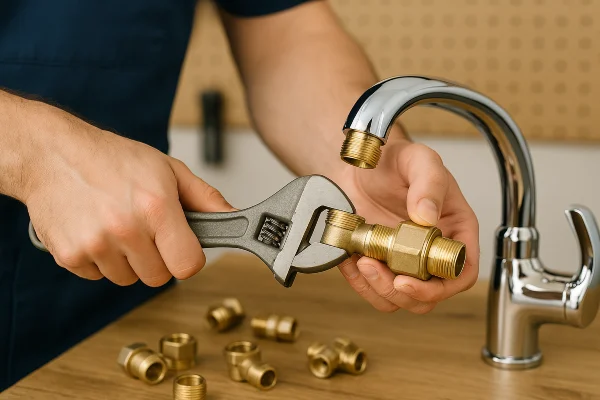
A plumber’s kit reflects their route mix. Service techs carry flexible, multi-solve gear because every door hides a new story. New construction crews lean on layout, speed cutting, and press or PEX production tools. A commercial plumbing company adds groovers for large diameter pipe, propress jaws up to 4 inches, hangers and seismic bracing, and documentation tools for inspections and commissioning. The homeowner sees only the wrench in hand. The scheduling manager knows the difference is planning, maintenance, and the right gear on the truck.
Care, calibration, and the habit of clean
Tools treated well treat you well. Wipe press jaws after use. Replace cutter wheels before they mar pipe. Calibrate torque sticks, press guns, and pressure gauges on a schedule. Toss flux that turned green or grainy. Keep solvent cement lids clean so they close without welding themselves shut. Charge batteries before they hit the bottom. Drain drain machines and dry cables to prevent rust and stink that follows you everywhere.
I keep a small end-of-day routine. Pack the bag with the next morning in mind. Check that the basin wrench head still pivots freely, that the tube cutter’s reamer still bites, that the torpedo level vials are bubble quick and easy to read. The five minutes in a tailgate or shop spare you fifteen at the worst possible time. Becoming the plumber who always seems lucky is not luck at all, it is tool care and preparation.
When price matters and when it is a false economy
Buy the best you can afford in your most used tools. If you sweat often, a reliable torch with a stable base and a precise flame pays off. If you press daily, spend for a tool with long service intervals and easy-to-get jaws. For occasional use tools, mid-range often suffices. I do not need a premium pipe wrench in every size, but I want one 24 inch that never slips. Consumables like tape and dope do not need to be fancy, they need to be fresh and rated for the application.
Apprentices often ask for a buying order. Start with measuring and marking, add cutting and deburring, pick your wrench set with care, then add sealants, a torch or press system depending on your path, and drain tools. Round out with drilling, safety, and a few specialty pieces as your jobs demand. Resist the urge to buy every novelty that promises faster work. The tool that saves time is the one you already know how to use well.
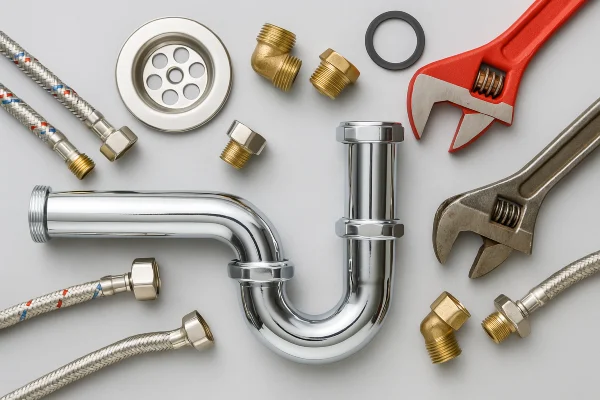
The living kit
Tools evolve, but the core stays familiar: measure, cut, fit, seal, and test. The rest is judgment. The more jobs you see, the surer your hand gets at choosing between sweat and press, between auger and jetter, between patch and replacement. Keep learning from others on the crew, and do not hesitate to ask the counter staff at the supply house what is working in the field. They hear the complaints and the praise daily. The right plumbing tools in the right hands make clean work, code-compliant systems, and customers who sleep better at night.
Checklist for a day of mixed service calls:
- Tape, torpedo level, markers, and layout bits ready Tube cutter with spare wheel, PVC cutter with sharp blade, deburring tools Pipe wrenches, tongue-and-groove pliers, adjustable wrench, basin wrench PTFE tape, rated pipe dope, primer and cement, fresh flux and solder
Quick trade-offs to weigh on site:
- Press vs sweat: speed and no flame vs cost and battery dependence PEX crimp vs expansion: simplicity and easy checks vs temperature sensitivity and fitting availability Auger vs jetter: control and minimal mess vs thorough cleaning and splash risk Hole saw vs spade bit: clean, centered cuts vs speed and flexibility in rough wood Push-to-connect vs permanent fittings: emergency convenience vs long-term confidence in concealed spaces
Behind every neat mechanical room and every silent drain is a set of tools chosen with intention. Learn them, maintain them, and your work will show it.
THE LEANDER PLUMBER - COMPANY 1789 S Bagdad Rd #103, Leander, TX 78641 (737) 530-8021