The plumbing trade has always been a balance of physical skill and patient troubleshooting. What has changed in the last decade is the set of tools a plumber brings to the job. The bag still holds pipe wrenches and Teflon tape, but it now rides alongside fiber‑optic cameras, digital locators, battery vacs that outrun gas units, and software that tracks water signatures. Modern equipment is not a gimmick. When used properly, it compresses diagnostic time, trims invasive work, and lets plumbing companies price honestly and deliver predictably.
I began to feel the shift the first time I snaked a 120‑foot mainline with a camera instead of guessing. We found an offset joint under a slab, not a root ball. The repair took four hours and a section of pipe, not two days of exploratory trenching. That job set a baseline for me: technology pays when it shortens the path from symptom to cause without adding complexity the client doesn’t need.
Seeing the unseen: inspection cameras, locators, and mapping
Thirty years ago, an unexplained backup meant you ran a cable and hoped you hit the problem. If the blockage returned, you broke concrete or sod in the likely zone. Today, a compact camera head on a flexible push rod goes in through a cleanout and gives a live picture to a handheld screen. You see grease stalactites, a collapsed clay section, or a bellied run with standing water. The difference is not just clarity. It is the ability to measure and mark.
Mid‑range systems add distance counters and sonde transmitters. A sonde emits a signal the surface locator reads, so you can stand on the lawn or slab with a receiver and mark the camera head’s position. Good locators let you trace the line itself, not just the head, by energizing the pipe with a tone. If you have ever tried to guess where an old cast‑iron line runs, you will appreciate how many hours this saves.
There is a learning curve. Cameras get fouled in sludge, and a ham‑fisted push through a tee can break a delicate head. Locators misread in reinforced concrete or near electrical interference. The pro’s habit is to calibrate, take it slow around fittings, and cross‑check with known landmarks and measurements from property lines. When a camera shows a cracked hub at 47 feet, and the locator mark sits under a porch footing, you advise the client on rerouting options rather than promising a simple spot repair.
Large jobs benefit from mapping. Good firms build simple sketches with depth readings every 10 to 20 feet and store video files with timestamps. It is not paperwork for its own sake. When a second crew arrives or a subcontractor digs, those measurements prevent broken sprinkler lines and miscuts. Some plumbing companies load this data into GIS platforms for commercial sites, which reduces chaos when a mall or hospital schedules planned replacements.
Jetting with purpose: water power that cleans, not just opens
Cable machines open drains; water jets clean them. A drain that has never seen a jet usually has a living history inside, from fats and oils to coffee grounds and fibrous roots. A hydrojet uses a pump, hose, and specialized nozzles to deliver pressurized water along the pipe walls. The forward jets carve into clogs, while rear jets propel the hose and wash debris back. You can run small electric units on sinks and 2‑inch lines, or towable rigs for 4 to 8‑inch mains. The right match matters.
Pressure gets the attention, but gallons per minute matter more. A 4 GPM machine at 4,000 PSI feels powerful, yet a 12 GPM rig at 3,000 PSI usually moves more material in a 6‑inch line. Wrong nozzle, wrong flow, and you will just polish a grease cap. Good practice is to use a penetrating head to get through, then a rotating nozzle to descale and flush. In root-prone areas, a chain flail or warthog head can clear growth, but you should be frank with the client about pipe condition. Old Orangeburg or thin clay cannot tolerate aggressive tooling.
Safety deserves a real word here. Jetting near a house trap with no relief can flood a basement. Running a 4,000 PSI whip without a foot pedal or dump valve is poor practice. Techs should be trained to read vents and traps, to capture and filter effluent when running indoors, and to document pre‑existing defects caught on camera before the jet goes in. The best crews roll up with enough hose to reach the city tap and the patience to run long enough to actually clean, not just punch a hole.
Trenchless repair: fixing pipes without scarring everything around them
The appeal of trenchless methods is obvious. Why dig a driveway or tear out a finished floor if you can rehabilitate or replace a pipe through small access points? Among the options, cured‑in‑place pipe, pipe bursting, and sectional point repairs have become practical and reliable when the situation fits.
Cured‑in‑place pipe liners, often called CIPP, create a new pipe inside the old one. You clean the host line, then insert a resin‑soaked felt or fiberglass liner and expand it with air or water so it conforms to the interior. Heat or UV cures the resin into a rigid sleeve. A well‑executed liner eliminates joints and seals cracks. Assessments matter. If the host line is out‑of‑round or severely offset, the liner may bridge voids and leave edges that catch debris. Some cities hesitate to approve liners on shared lines or where offsets could trap laterals. You need a permit, an inspector who understands the method, and a plan for reinstating branches.
Pipe bursting tackles full replacements where the old line has failed structurally. A conical head pulls through the old pipe and splits it, dragging a new HDPE line into the path. It needs a good launch pit, a reception pit, and clearances. It shines under asphalt runs or long landscaping stretches. It struggles when the old line meanders or runs shallow above utilities you cannot disturb. And you still need to tie in cleanly at both ends, which is where experience shows in the quality of the fused joints and the transitions.
Sectional repairs, sometimes called point repairs, place short sleeves, usually 2 to 6 feet, over a localized defect. They are fast and affordable when a single root intrusion near a tree has compromised a joint. They are a bandage if the pipe has multiple defects. Clients appreciate a surgical fix after you show them clear video before and after, but they need to understand you aren’t extending the life of the remaining line.
The honest conversation is about life expectancy and risk. A well‑installed liner in a 4‑inch cast‑iron line will often add 30 to 50 years. A burst HDPE replacement can exceed that if bedding and connections are right. A sectional patch buys time. The equipment is only as good as the evaluation, which returns us to cameras, locators, and clear reporting.
Smart leak detection: beyond wet drywall and guesswork
A water spot on a ceiling used to trigger holes every 16 inches between joists. Sometimes you hit it on the third try. With modern acoustic sensors, thermal imagers, and pressure decay rigs, you can usually pinpoint a hidden leak without opening more than a small access.
Acoustic tools listen for turbulent flow. A trained ear hears the difference between a slab leak and a quiet house main. The art is in building silence, shutting fixtures, and isolating runs. Thermal cameras show cool evaporative patterns or warm hot‑water trails. They cannot see through walls, but they can present a visible clue when paired with a controlled pressure test.
For domestic water, a good procedure is to cap fixtures, apply a set test pressure, and watch the gauge and the imaging. If the drop is rapid, you command valves to isolate segments. In PEX loops, manifolds simplify this. In older copper or galvanized lines, you may have to segment creatively and listen with contact mics. Slab leaks often announce themselves as warmth under tile. The final step is often a tile lift the size of a dinner plate rather than a shotgun demolition.
Whole‑home monitoring has matured, too. Several manufacturers build automatic shutoff valves with flow sensors that learn typical usage and flag anomalies. When a client runs a short‑term rental, a simple system that texts when flow runs continuously for an hour can avert a soaked drywall catastrophe. These aren’t a replacement for tradecraft, but they add a layer of protection that used to be reserved for commercial properties.
Descaling cast iron: bringing old lines back within reason
Old cast iron has a personality. Thick walls, heavy hubs, and a rough interior that grabs grease for decades. At a certain age, scale chokes the bore to half its nominal size. Chemical treatments rarely touch it. Mechanical descaling with chain knockers and rotary cutters, paired with cameras, can restore flow and buy years before replacement.

The mistake is to go too fast. A chain whirled at high speed inside a thin‑walled, rotted pipe will crack it. The right approach is a low‑speed, progressive pass while watching on camera. After the first softening pass, collect debris at the downstream cleanout, then run hydrojetting to wash the fines. Expect clouds of black flakes and rust. In a typical 40‑foot run, you can pick up a half inch of diameter and improve flow dramatically. But you should always warn the owner that descaling can expose pinholes hidden by scale. If you find daylight, you switch to a repair plan rather than forcing a bad pipe to behave.
Battery power on the job: quiet force, real runtimes
If you have not used a 60 to 120‑volt battery drain machine or compact vacuum, the power may surprise you. High‑output packs now run drum machines, compact jetters, press tools, and even core drills. Workdays in multi‑tenant buildings and hospitals benefit from quiet machines that start without fumes and do not need a shared outlet. Crews move faster without cords snaking through hallways or down stairs.
The flip side is energy planning. A jetter that draws 1,500 watts at 12 GPM is not running on any handheld pack. But many bread‑and‑butter tools do. Good practice is to build a battery inventory per truck, with labeled packs and a simple “used to charge” rotation. In cold climates, keep packs warm in winter to prevent voltage sag. If a tool is available in both corded and battery versions, weigh how often you work in sensitive spaces and if your team will maintain packs. Some companies mix systems and end up with a sea of incompatible chargers. Pick a platform or two and stick with them.
Press tools, PEX, and the end of the endless torch
Open flames in tight spaces never felt comfortable around insulation, old paint, and finished cabinets. Press tools changed the habit. A good press tool with jaws for copper, stainless, and black pipe couplings collapses a fitting around the pipe in seconds without heat. Joints are consistent when you prep properly, deburr pipe, and match fittings to specifications. For gas work, only approved systems and training apply, and local code rules.
PEX added speed where it fits. In remodels, running flexible home runs to a manifold simplifies maintenance and reduces joint counts in hidden spaces. It tolerates minor expansion and contraction, which helps in seasonal cabins. Tradeoffs are real. PEX hates UV and should be protected from mechanical damage. Dogs and rodents occasionally find it, and an exposed line in a garage is a bad idea. For high‑heat mechanical rooms or near water heaters, copper or CPVC still make sense. Press and PEX do not eliminate solder, but they shrink the circumstances that require it.
Water quality, scale, and the chemistry that ruins or saves fixtures
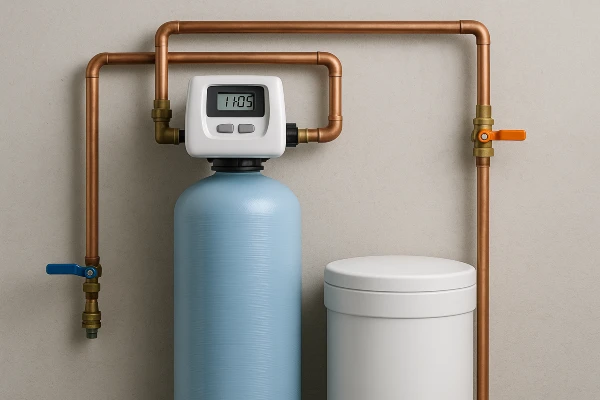
Machines extend beyond mechanics. On service calls, a small digital meter and test kit provide data that save callbacks. High hardness and chloramines eat rubber and clog aerators. A water softener or conditioner is not a universal need, but ignoring a 20 to 30 grain hardness reading guarantees more service on valves and tankless units. If a client has a tankless heater that scales every year, a flush cart with food‑grade acid and a pair of hoses turns a two‑hour chore into a tidy 45 minutes. Tanks and coils last longer when we test and recommend based on numbers, not guesses.
Not every client wants or needs a full treatment system. Under‑sink filters and point‑of‑use cartridges handle taste and some contaminants, but they demand maintenance. Smart plumbers document install dates and filter life and offer reminders rather than waiting for calls about slow flow. Where well water brings iron and sulfur, aeration and oxidation tanks apply, and you either specialize or you partner with a water treatment pro. The point is to integrate testing into the service call. It is part of the diagnostic, not an upsell script.
Software quietly changing everything behind the scenes
Clients rarely see it, but the back end has modernized. Routing software that accounts for traffic windows and technician skills reduces overtime and missed appointments. Digital forms with photos and video attached to job histories keep context alive. If you have ever inherited a boiler room without documentation, you know the value of labeled photos, model numbers, and wiring diagrams stored in one place.
On estimates, transparent line items with options beat a single number on a carbon copy. People hate surprises. That said, software should never bulldoze judgment. A flat rate book is a guide, not a law. A job in a tight attic in July takes longer than the same work in a clean basement in October. Experienced plumbing companies teach techs to adjust and to explain those adjustments before the work starts. Technology helps us be consistent, but the craft is still a conversation.
Safety, training, and the risk of promising more than tools can deliver
New equipment can make an average tech look great and a great tech look reckless if training lags behind. A locator in untrained hands marks the wrong spot, and a contractor cracks a slab in the wrong room. A jetter used inside without a relief plan floods a finished space. A press jaw on the wrong fitting leaks months later. The cure is structured training, ride‑alongs, and checklists that focus on edge cases, not just basic operation.
Two themes come up in training sessions that stick. First, pause and document before you change the system. If a customer has no cleanout and you plan to pull a toilet to access a line, photograph the flange, the wax, and the floor. If there is a crack, you will find it before the pull. Second, know when not to use a shiny tool. Lining a line with active bellies in high‑grease restaurants invites callbacks. Bursting under a tree with a shallow root pan risks heaving the lawn and cracking irrigation. An honest no builds more trust than a heroic yes that backfires.
The cost side: tools that pay for themselves and tools that never will
Not every “plumbing modern machines” purchase is worth it for every shop. A small residential service outfit might never recover the cost of a large trailer jetter. A commercial contractor who runs parking garage drains monthly will. The decision is less about list price and more about utilization and revenue protected. A mid‑grade push camera and locator pair runs the cost of a used pickup. If it turns two exploratory digs a month into pinpointed repairs, the math works fast. If it sits on the shelf because only one tech knows how to use it, you just bought an expensive paperweight.
Margins also hide in consumables and maintenance. A jetter that sits with wet pump seals for months will fail on the next start. Camera heads need frequent cleaning and lens protection. Press tools need calibration, and jaw wear is real. Budget time to maintain the tools the way you maintain trucks. The best plumbing companies have a quiet rotation: tool days for the shop, battery checks every Friday, hoses flushed and hung dry, soft cases for cameras so they do not rattle around in a van.
Clients do not need to hear this internal work, but they feel it when your tools work and you finish on time.
Environmental stewardship with practical legs
Plumbing is environmental work whether we call it that or not. A pinhole leak wastes thousands of gallons over a year. A buried leak finds its way into soils and foundations. Modern tools improve our ability to prevent waste and to fix damage with less collateral disruption.
UV‑cured liners that avoid hot water curing reduce energy and water use on site. Smart shutoff valves stop floods when a washing machine hose pops on a Saturday. Vacuum excavators paired with locators let us expose utilities and install cleanouts without slicing up roots with a backhoe. Even simple digital manometers help tune combustion and ventilation around water heaters to burn cleaner and safer.
Green talk can drift into abstractions, but the field benefits are concrete. If we can fix a 60‑foot section with two pits instead of trenching a lawn, we save diesel, topsoil, and time. That serves the client and the neighborhood.
When modern gear meets old buildings
Historic homes and older multifamily buildings teach humility. Thick plaster, tight chases, and pipes buried in places you would never design today. Modern equipment helps, but it also tempts shortcuts. Thermal cameras mislead on plaster with radiant heat. Locators get confused in mesh‑reinforced slabs. Press tools on century‑old copper with verdigris can make seals that look fine and fail under pressure.
The careful approach blends tools with small tests. Bore a pilot hole with a borescope before a large cutout. Verify a locator mark by triangulating from two https://theleanderplumber-company.com directions. On stack replacements, pre‑hang sections and plan the day around noise windows for tenants. When a client hears you describe the plan in realistic detail, they relax. The machines make good on the plan, but the plan itself is human.
What clients notice and what they never see
From the homeowner’s perspective, the difference between a plumber who uses modern tools and one who does not is simple. Jobs finish faster, with fewer scars on the home, and the explanation makes sense. Showing a video of a crack beats waving a handful of roots. Marking a repair location and cutting a neat square beats jackhammer roulette. Leaving a copy of the video file and a sketch of the line builds trust. It also sets a baseline for the next owner or the next service call, even if a different company handles it.
Not everything should be on display. Few clients need to watch the sausage being made when you calibrate a locator or grease a jetter pump. But they appreciate care. Shoe covers, clean mats, and taped plastic around access cuts are a form of technology adoption too. Anyone can buy a camera. Professional culture is what turns equipment into service that earns referrals.
A short field checklist for the tech who wants to work smart
- Before you start, document: photos of access points, gauge readings, and any pre‑existing defects you see. Diagnose with at least two methods: if a camera says 47 feet, verify with a locator and site measurements. Match tool to material: choose nozzles, pressures, and cutters that fit pipe type and condition. Protect the site: relief points for jetting, containment for debris, and clean access cuts. Leave artifacts: video files, sketches with depths, and notes in the job record for future work.
What the next few years likely bring
The pace will not slow. Camera heads keep shrinking and getting sharper, with better self‑leveling and fewer weak points. Locators are blending magnetic, radio, and inertial data so we will trace pipes with more confidence through noise. UV‑cured liners will continue to improve chemistry and reduce curing times. Battery platforms will pull more tools into the cord‑free world, and vacuum excavation will shrink to truck‑friendly sizes that make it common for urban service.
The wild card is data integration. More homes will have leak detection and remote shutoffs. Commercial sites will standardize sensor logs so you can see usage patterns and flag anomalies before they become service calls. Good plumbing companies will train techs to read those signals and to recommend actions that save owners money without selling gear they do not need.
There will always be work for the hands and the head. Machines do not replace skill. They make skill show up faster and with less guesswork. A plumber equipped with a modern kit can walk into a problem and walk out with a solution that is proportionate, documented, and durable. That is the standard to chase.
And it has another benefit, less often mentioned. Good equipment elevates morale. No one enjoys dragging a corroded cable through a filthy trap room when a jet and a camera would do a better job in less time. Investing in the right tools says to your crew that their time and bodies matter. It reduces injuries, creates pride in work, and supports a steady cadence of jobs done right.
The trade is not becoming a laboratory. It is staying close to the work while adopting machines that help us see, measure, and act with precision. That is the kind of progress that sticks.
THE LEANDER PLUMBER - COMPANY 1789 S Bagdad Rd #103, Leander, TX 78641 (737) 530-8021